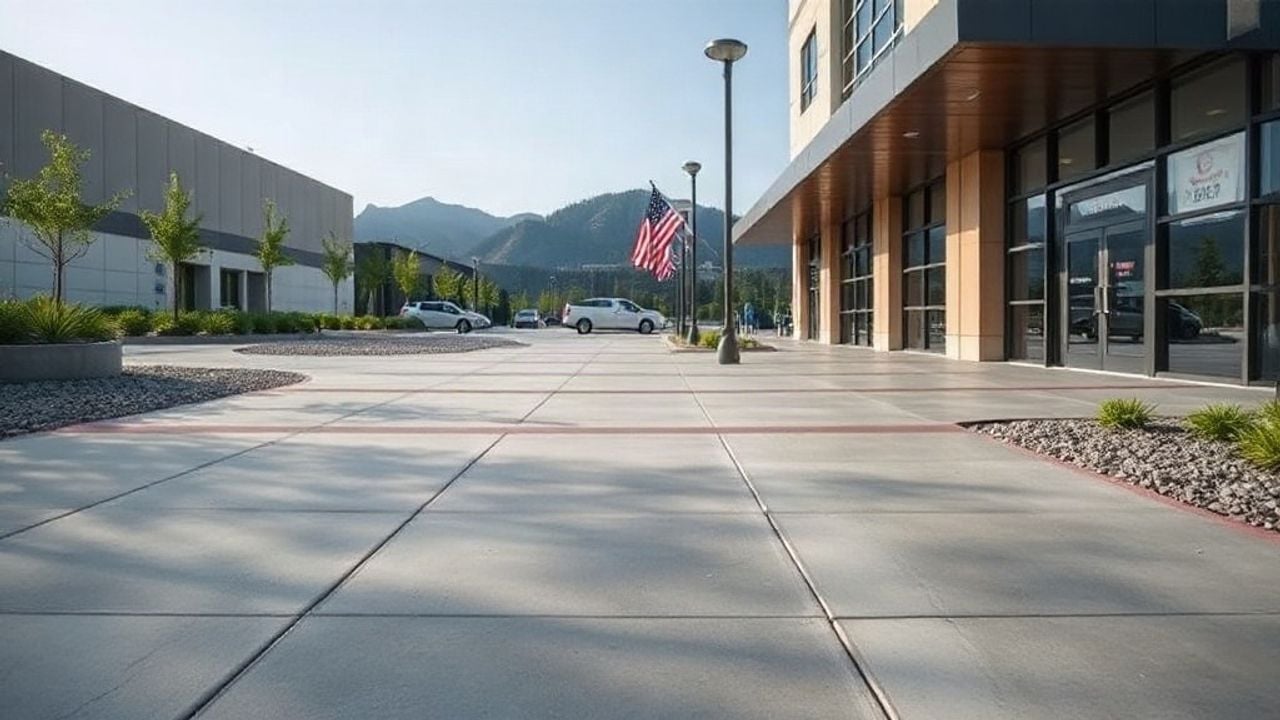
 Wilmington Concrete ContractorWilmington Concrete Contractor guide
Concrete is one of the most versatile building materials available today. Its durability and adaptability make it an attractive choice for various construction projects, from driveways to pavements. Given its widespread application, selecting the right concrete contractor can significantly impact the quality of your project. A reputable Wilmington Concrete Contractor will provide expert advice on materials and installation methods, ensuring a long-lasting finish.
Investing in quality concrete paving can enhance both the aesthetics and functionality of your property. For those considering pavement options, concrete paving presents a cost-effective alternative compared to asphalt. The investment pays off in durability, maintenance, and long-term performance. can guide you in making an informed decision for paving learn more.
The Benefits of Concrete Paving
Concrete paving offers a multitude of advantages that make it a preferred choice for homeowners and businesses alike. One significant benefit is its durability; a well-constructed concrete surface can last for decades with minimal maintenance. This longevity means fewer repairs and replacements, leading to cost savings over time. Moreover, concrete is resistant to various weather conditions, making it an ideal option in regions with extreme climates. It remains strong under heavy loads, which is vital for driveways and commercial settings.
Another advantage of concrete paving is its versatility. Homeowners can choose from a range of finishes, colors, and textures, allowing for a customized look that fits their property's aesthetic. Whether one opts for stamped concrete, exposed aggregate, or a polished finish, the capabilities of concrete can enhance the value and appeal of a property. Additionally, concrete's light-colored surface tends to reflect heat, helping to keep surrounding areas cooler.
Comparing Costs: Concrete vs. Asphalt
When evaluating concrete paving costs, it’s essential to consider not only the initial price but also the long-term value it brings. Generally, the concrete paving price may be higher than asphalt, but the extended lifespan and reduced maintenance needs make it a more economical choice in the long run. Asphalt typically requires more frequent resurfacing and repairs, while concrete's resilience often leads to fewer maintenance concerns.
In terms of upfront costs, factors such as the thickness of the slab, additives, and finish can affect the concrete paving cost. Additionally, hiring experienced concrete contractors can influence the overall price, as skilled labor yields a higher-quality installation. Calculating the total cost involves not only the materials but also labor, potential land preparation, and any additional features, such as decorative elements.
Choosing the Right Concrete Contractor
Making an informed selection of a concrete contractor is essential for ensuring the success of your project. Begin with thorough research of local contractors, taking the time to assess their experience, reputation, and customer feedback. Look for Wilmington concrete contractors who excel in delivering quality craftsmanship and outstanding customer service. It's wise to obtain estimates from several contractors, ensuring you receive detailed breakdowns that cover materials, labor costs, and projected timelines.
Don’t shy away from requesting information about the contractor's past work. Viewing examples of their completed projects can offer valuable insights into their skill and design aesthetic. Ask them about the various types of concrete mixes they suggest and whether they have sustainable options available for your paving project. Above all, prioritize effective communication; a contractor who actively engages with you and tailors solutions to your specific needs is more likely to achieve the results you desire.
Maintenance and Repair of Concrete Surfaces
Despite the renowned toughness of concrete, consistent maintenance is crucial to extending its lifespan and maintaining its aesthetic appeal. Routine cleaning combined with sealing is vital in defending the surface against stains and environmental impacts. For example, the application of a quality sealant can shield the concrete from moisture intrusion, thereby minimizing the likelihood of cracks forming and preventing fading linked to severe weather.
It is important to promptly address any imperfections or cracks that appear on the surface to prevent exacerbating the damage. Small cracks can typically be managed with concrete fillers, while more significant concerns should be referred to concrete repair professionals. These experts can evaluate the extent of the damage and suggest the best repair techniques, which may include patching, resurfacing, or even complete replacement of the damaged section. By keeping your concrete surfaces well-maintained, you ensure their functionality and visual appeal endure for many years. Anyone interested in in-depth techniques should explore the associated Concrete article for more information, highlighting both innovative approaches and classic practices.
Steps for Successful Concrete Paving
- Assess Your Needs: Determine the area that needs paving and its intended use. Consider factors such as vehicle traffic and drainage requirements.
- Research and Select a Contractor: Find a licensed and experienced paving contractor. Look for reviews and ask for references from previous clients.
- Get Comprehensive Quotes: Request detailed quotes from multiple contractors to compare costs and services. Ensure all aspects of the project are included.
- Choose Materials: Discuss with your contractor about the type of concrete best suited for your project, including any finishes or additional features you might want.
- Prepare the Site: Ensure the site is clear of debris and adequately graded. This may involve excavation or land leveling to create a solid base for the concrete.
- Monitor Installation: Stay involved during the installation process to ensure quality work. Communicate openly with your contractor about any concerns that arise.
Helpful Tips for Concrete Paving Projects
Choosing the right contractor can significantly impact the outcome of your concrete project. Invest time in the vetting process.
- Inspect previous projects to evaluate craftsmanship.
- Inquire about their warranty policies for peace of mind.
- Pay attention to local weather conditions when scheduling your paving.
- Consider using a colored or etched design to improve aesthetics.
- Schedule routine maintenance to enhance durability and appearance.
Frequently asked questions
What is Concrete?
Concrete is a composite material made from cement, water, and aggregates such as sand, gravel, or crushed stone. It is known for its strength and versatility, making it ideal for various construction applications.
How do I choose a Concrete provider?
To choose a concrete provider, research local contractors and check their experience, reviews, and references. Request multiple quotes to compare pricing and services, and prioritize communication and reliability.
How much does Concrete cost?
The cost of concrete can vary significantly based on several factors, including the type of mix, thickness, and project size. On average, homeowners can expect to pay between $3 to $10 per square foot for concrete paving, depending on the complexity of the project.
Opting for concrete paving brings numerous long-term advantages, making it an excellent option for homes and businesses alike. Selecting a qualified contractor, grasping the expenses involved, and properly caring for your concrete installations will secure the durability and performance of your investment.
With thoughtful planning and meticulous consideration for your project, you can create stunning and resilient concrete surfaces that enhance the value of your property while fulfilling their intended function efficiently.